Australia's Card Surcharge Ban: What Online Stores Need to Change
Since 1 October 2026, Australian businesses can't add a surcharge to eftpos, Visa, Mastercard or American Express payments. This guide covers what the ban includes, and what an online store has to change in its checkout, invoices and prices.
By BuildlyPublished October 24, 20269 min read
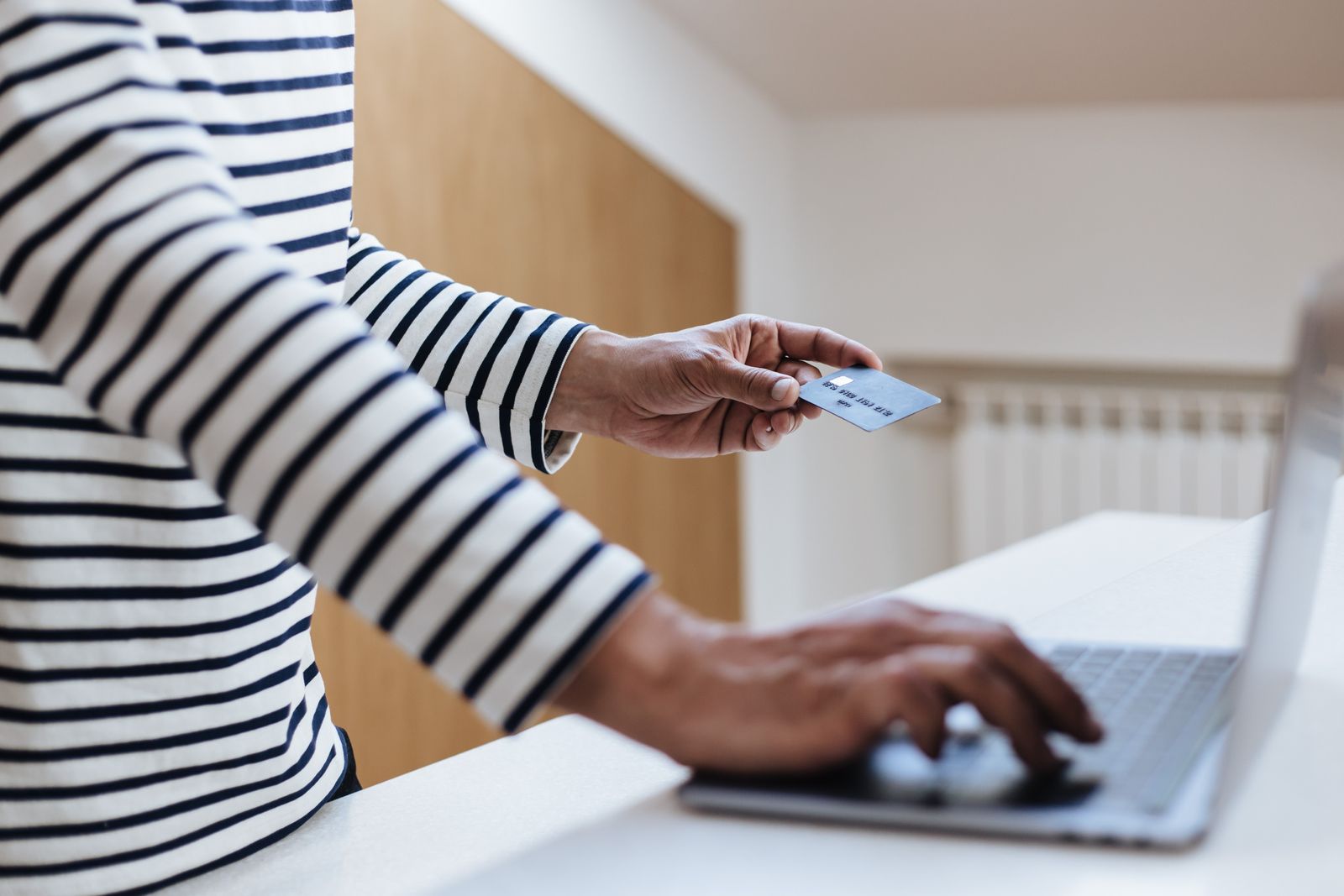
The card surcharge ban Australia brought in on 1 October 2026 means businesses can no longer add a surcharge when a customer pays with an eftpos, Visa or Mastercard debit, credit or prepaid card, and American Express has moved its own rules into line. The Reserve Bank of Australia (RBA) set that date. It applies to card payments online as well as in person, so a "1.5% card fee" line in your checkout is now a problem.
For an online store, complying means more than switching off a setting on a terminal. You have to remove surcharges from the checkout, the cart, invoices, booking systems and your terms. You also have to decide how to cover the card costs you still pay, which usually means building them into your prices honestly. The rest of this guide covers exactly what changed and gives you a checklist for your store.
This article is general information, not legal or financial advice. Confirm your situation with your accountant, your payment provider, or the official guidance from the Australian Small Business and Family Enterprise Ombudsman and the RBA.
What is the surcharge ban in Australia?
In March 2026 the RBA released the conclusions of its Review of Merchant Card Payment Costs and Surcharging. It decided to remove surcharging on all designated card networks: eftpos, Mastercard and Visa, covering debit, prepaid and credit cards (RBA executive summary). It did this by lifting its prohibition on the networks' "no-surcharge rules", so the card networks enforce the ban through their own rules. The RBA has said it could recommend that the Government legislate a ban if surcharging carries on.
The RBA estimates that surcharges cost about $1.8 billion a year, with consumers paying about $1.6 billion of that. It also found that most businesses already didn't surcharge: 85% of small merchants and 89% of large merchants (RBA, impact and implementation).
Which cards and payment methods are covered?
| Payment method | Can you surcharge from 1 October 2026? | Source |
|---|---|---|
| eftpos (debit and prepaid) | No | RBA |
| Visa and Mastercard (debit, credit, prepaid) | No | RBA |
| American Express | No: Amex has aligned its rules with the ban | ASBFEO, CommBank |
| JCB and UnionPay | They have said they support the reforms and are working to remove surcharging; confirm with your provider | CommBank |
| PayPal | Not covered by the change, but any fee must not exceed your cost of accepting it | WA Small Business Development Corporation |
| Buy now, pay later and mobile wallets | Outside this review; the RBA will consult on them separately. Check your provider's rules | RBA executive summary |
| Weekend and public holiday surcharges | Still allowed, if clearly disclosed | ASBFEO |
Status as of October 2026. If a method isn't listed, check your provider's rules before you add any fee to it.
Is it illegal to charge a surcharge on eftpos in Australia?
Yes, in practice. Since 1 October 2026 the eftpos, Visa and Mastercard rules no longer allow surcharges, and that covers eftpos debit cards. Renaming the fee doesn't change anything. The WA Small Business Development Corporation warns that calling it a "handling fee", "processing fee" or "admin fee" could be misleading conduct and could lead to a penalty.
What else changed on 1 October 2026: lower card fees
The ban came with cheaper wholesale card costs. The RBA cut the domestic interchange fee caps, which are the fees the card issuer's bank receives on every transaction (RBA):
- Consumer credit cards: the cap fell from 0.8% to 0.3% of the transaction value (Payments Journal).
- Debit and prepaid cards: the caps were lowered to 8 cents per transaction and 0.16% of the transaction value.
- Commercial credit cards: the cap stays at 0.8%.
- Foreign-issued cards: a new 1.0% cap starts on 1 April 2027, not now.
The Government says the changes will save businesses about A$910 million a year (The Star, via Reuters). The RBA is also requiring acquirers (the bank or provider that processes your payments) to publish data on their merchant fees, with the first publication due by 30 January 2027. Interchange is only one part of the fee you pay, though. Your total cost depends on whether your provider passes the saving on, so check your next statements.
The online store checklist
The ASBFEO asks businesses to find every place a surcharge is applied, change it, test it, and update customer-facing material. In an online store, surcharges can be set up in places nobody remembers adding them.
1. Remove surcharges from the checkout and cart
- Payment gateway settings. Many gateways had a "pass on card fees" or surcharge toggle. CommBank says surcharge settings need checking across eftpos, online and in-app payments. Turn it off and confirm in a test order.
- Plugins and apps. On WooCommerce, Shopify and similar platforms, a surcharge is often added by a separate "payment fee" plugin or app, or by custom code, rather than by the gateway itself. Remove it, or limit it to methods where a fee is still allowed and doesn't exceed your cost.
- Cart and order totals. Check that no "card fee" line appears in the cart, the order summary, confirmation emails or receipts.
- Test every method. Place a test order with each payment option (card, Apple Pay or Google Pay, PayPal, BNPL) and look at the total at each step.
2. Check invoices, quotes and booking systems
- Invoicing software. Accounting and invoicing tools often add a card fee to "pay now" links automatically. Turn it off for card payments.
- Booking and ordering systems. Online booking, table ordering and subscription billing tools can add their own fees. The ASBFEO specifically names booking systems and invoices as places to remove surcharge information.
- Recurring billing. Subscriptions and saved-card payments set up before October may still carry the old fee. Check a renewal from after 1 October.
3. Update your website text
- Product pages, the cart and the FAQ ("a 1.4% fee applies to card payments").
- Terms and conditions, payment and shipping policies.
- Price lists, menus and PDF catalogues you can download from the site.
- Keep online and in-store information consistent. The ASBFEO asks businesses to keep information consistent across physical and online channels.
4. Review what you pay to accept cards
- Get your latest merchant statement and work out your actual cost per transaction and per method.
- Ask your provider whether the lower interchange caps are reaching you, and when.
- Ask about least-cost routing for dual-network debit cards, where eligible debit payments go through the cheaper network. The RBA lets acquirers choose how they offer it, so availability for online payments varies.
- Compare providers if your rates haven't moved. The WA Small Business Development Corporation suggests shopping around.
5. Train whoever answers customer questions
Customers will ask why prices changed or why a fee disappeared. Give your team a short, honest answer to use.
How to handle card fees now the surcharge is gone
Your card costs didn't disappear on 1 October; you just can't add them as a separate line any more. The RBA says businesses that surcharged must include payment costs in their advertised prices. Official guidance and reporting point to these options:
| Option | How it works | Watch out for |
|---|---|---|
| Absorb the cost | Keep prices the same and accept a slightly lower margin | Works when card fees are a small share of your margin; check after the interchange cuts |
| Build it into prices | Raise prices slightly so they cover your average payment cost | Don't mislead customers about the reason for the increase (ASBFEO) |
| Discount a preferred method | Offer a lower price for a cheaper method, such as bank transfer | The RBA says discounts for preferred payment methods remain possible |
| Lower your costs | Least-cost routing, a better plan, or a different provider | Read the whole fee schedule, not only the headline rate |
| Minimum spend for cards | A minimum order value for card payments, such as $5 or $10 | Suggested by the WA SBDC; customers may avoid small purchases, so it suits small in-person sales more than online stores |
Many businesses are raising prices. On 2 October, the day after the ban started, Reuters reported that Australian businesses say they will pass the costs on in higher prices (The Star, via Reuters). According to the same report, the RBA expects the effect on consumer prices to be small, around 0.1%. If you reprice, do it openly: update every place the price appears at the same time. Don't hide the old surcharge inside a new fee with a different name.
A quick way to size a price change
- Add up last quarter's merchant fees across all methods (card, wallets, PayPal, BNPL).
- Divide by last quarter's sales to get your effective payment cost as a percentage.
- Compare that with what your surcharge used to bring in. The difference is what you now absorb.
- Decide whether to absorb it, spread it across prices, or cut it with better rates. Recheck after the interchange cuts appear on your statements.
If you're comparing payment costs across platforms, see what Shopify really costs per month and per sale.
Making the changes when your store is built for you
If you run on a hosted platform, most of this is settings and apps. You can make the changes yourself, but you need to know where every fee came from. With a custom or heavily customised store (custom checkout code, a booking flow, integrations with invoicing), changes like this are a developer job. Rules will keep moving too: the RBA's next consultation covers mobile wallets, three-party networks such as American Express, BNPL and e-commerce platforms.
Buildly builds, hosts and maintains online stores and booking systems on a monthly subscription, and the subscription includes change requests for updates like this. Essential includes 2 change requests a year, Growth 1 a month, and Business 2 a month (see what maintenance covers). Essential, for a website with a buy button for a few products, is $35/month (USD) at its launch price, regular $60, with a $100 setup fee. A small shop with cart and checkout fits Growth, and a store with accounts, stock and shipping fits Business. Both are listed on the pricing page. Standard integrations, such as a payment provider, are a one-time $20 each. Scoping is free: send a brief and you get a written scope and price before anything is built.
Summary
- Since 1 October 2026 you can't surcharge eftpos, Visa, Mastercard or American Express payments, online or in person.
- Renaming the surcharge as a "processing fee" doesn't make it allowed and could be treated as misleading conduct.
- Interchange caps fell on the same day (consumer credit to 0.3%), but check that your provider passes the saving on.
- Remove fees from the gateway, plugins, cart, invoices, booking tools and recurring billing, and update your terms and pricing pages.
- Cover the cost by absorbing it, building it into prices openly, or lowering it with better rates.
Frequently asked questions
Is it illegal to charge a surcharge on eftpos in Australia?
Since 1 October 2026, the eftpos, Visa and Mastercard network rules no longer allow businesses to surcharge debit, credit or prepaid card payments, so you can't add a fee for paying by eftpos. Calling the fee something else, such as a processing or admin fee, could also be considered misleading conduct and lead to a penalty.
What is the new rule for credit card payments in Australia?
From 1 October 2026, businesses can't add a surcharge to Visa, Mastercard or eftpos credit, debit or prepaid card payments, and American Express has aligned its rules. On the same date, the RBA cut the interchange cap on consumer credit cards from 0.8% to 0.3%.
Does the surcharge ban apply to Amex?
Yes. American Express isn't regulated in the same way by the RBA, but it has removed surcharging on its cards from the same date. Government guidance from the ASBFEO lists American Express alongside eftpos, Visa and Mastercard.
Can I still charge a weekend or public holiday surcharge?
Yes. The ban is about surcharges for paying by card. ASBFEO guidance treats weekend and public holiday surcharges separately, as long as you disclose them clearly to customers.
Does the surcharge ban apply to online stores?
Yes. It covers card payments whether they're made in person or online, so card fee lines in your checkout, cart, invoices and booking system need to go. Check your gateway settings, any payment-fee plugins or apps, and recurring billing.
Can I offer a discount for paying another way instead?
The RBA says businesses can still offer discounts for preferred payment methods as an alternative to surcharging. Show the price clearly and don't mislead customers about why prices differ.
Sources
- RBA: Review of Merchant Card Payment Costs and Surcharging, Conclusions Paper, Executive Summary (March 2026)
- RBA: Conclusions Paper, Impact and Implementation
- ASBFEO: Card surcharging ban
- WA Small Business Development Corporation: Ban on surcharges for debit, credit and prepaid card payments
- CommBank: Preparing your business for card surcharge changes from 1 October 2026
- The Star (Reuters): Surcharge ban may lift prices, warn Aussie firms
- Payments Journal: Australia's Ban on Debit and Credit Card Surcharges Takes Effect